
How to Store an Open Bottle of Wine and Enjoy Every Last Drop
Not every bottle of wine is finished on the same day it is opened. Whether you’ve poured just a few glasses with dinner or saved some for another occasion, knowing how to store open wine can make all the difference.
Once opened, the bottle comes into contact with oxygen. This is a natural process that gradually changes the wine’s aromas and flavour. The good news is that there are simple ways to slow it down and prevent a bottle that is still perfectly drinkable from going down the drain.

How long does wine last after opening?
There is no single timeframe that applies to every wine. How long it keeps depends on the type of wine, how much is left in the bottle and how it is stored.
As a general guide:
- Red wine: around 3 to 5 days.
- White and rosé wine: around 3 to 5 days, especially when stored in the fridge.
- Sparkling wine: ideally 1 to 3 days, using a stopper designed to preserve the pressure.
- Fortified wines (Port or Madeira): last longer, depending on the wine.
The more wine left in the bottle, the less space there is for air. That’s why a nearly full bottle tends to keep better than one with just two glasses remaining.
Why does wine change after opening?
The main culprit is oxidation.
When we open a bottle, oxygen comes into contact with the wine and starts changing its aromatic compounds. Initially, a small amount of oxygen can even help certain wines release their aromas. But with too much exposure over time, the effect is different.
The wine may lose its freshness, its aromas may become less expressive and its flavour may become duller or take on notes of overripe fruit.
That’s why resealing the bottle after pouring is one of the most important steps in preserving open wine.
4 simple ways to store open wine
1. Seal the bottle as soon as you’ve finished pouring
It may seem obvious, but this is probably the most important step. The longer the bottle stays open, the more it is exposed to oxygen. So, once you’ve poured your wine, close it again straight away.
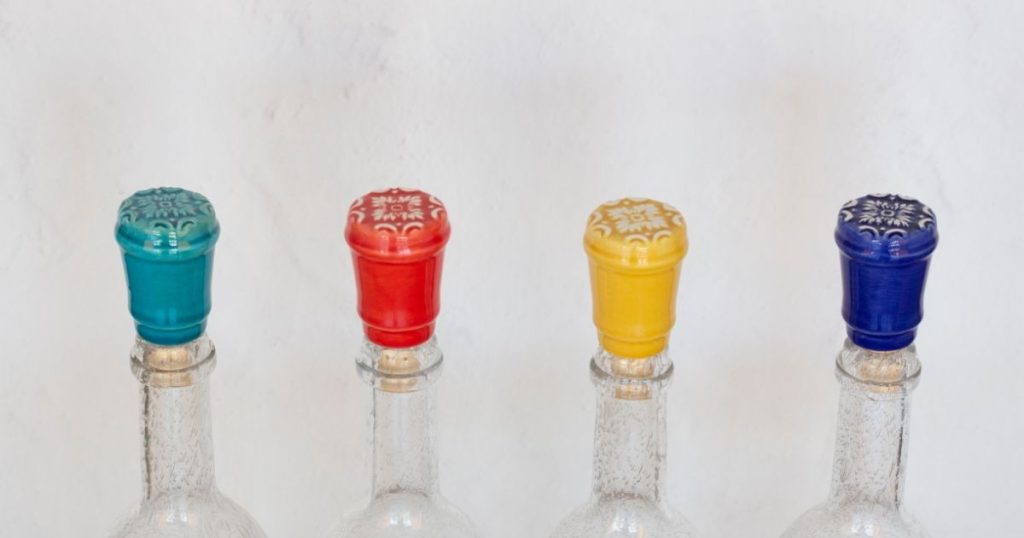
A cork stopper is a simple, practical way to reseal the bottle and keep it protected between uses.
Besides being functional, cork has a natural connection to wine culture and adds a small, traditional touch to the table.


2. Store open wine in the fridge
Cold temperatures help slow down the chemical reactions responsible for oxidation, making the fridge a great ally when it comes to preserving an opened bottle.
This applies to red wine too. It doesn’t mean you have to drink red wine straight from the fridge: when you want to serve it again, take it out in advance so it can reach a more suitable temperature.
3. Keep the bottle upright
Traditionally, sealed wine bottles are usually stored on their side to keep the cork in contact with the wine. Once the bottle has been opened, the situation is different.
Storing the bottle upright reduces the surface area of wine exposed to the air inside the bottle, helping to limit contact with oxygen.
4. Protect it from light and heat
Wine doesn’t do well with high temperatures or significant temperature fluctuations.
After opening, avoid leaving the bottle on the kitchen counter next to the oven, near a window in direct sunlight or in a particularly warm place. A cool, dark spot is a much better option.
Is your wine past its best? Put it to use in the kitchen
Even when wine has lost some of its freshness for drinking, that doesn’t necessarily mean it has reached the end of its useful life. In the kitchen, wine can become an ingredient full of possibilities.
Sauces and reductions
Use it to make richer sauces for meat, mushrooms or vegetables. Reducing the liquid helps concentrate the flavours.
Risotto
White wine is a classic ingredient in risotto. A small amount, added after sautéing the rice, brings acidity and depth to the dish.
Marinades
Wine, olive oil, garlic, aromatic herbs and spices can form the basis of a marinade for meat, fish or vegetables.
Slow-cooked dishes
In dishes that cook slowly, wine can help build layers of flavour. It works particularly well in casseroles, stews and Mediterranean-inspired recipes.
Desserts
Some wines can also be used in desserts, particularly for cooking or macerating fruit. Red wine with berries, white wine with pears or Port with figs are just a few possibilities.


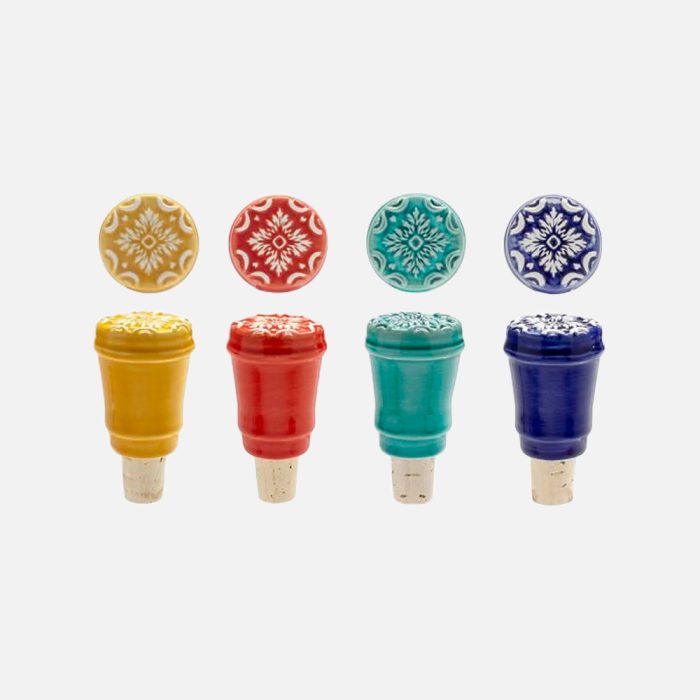

A cork stopper for every bottle you’re saving for tomorrow
Not every bottle needs to be finished on the same day.
A cork stopper is a small accessory that makes this habit easier: pour your wine, reseal the bottle and save what’s left for another occasion.
It’s a practical, reusable solution made from a natural material that is part of wine’s own history.
Because making better use of what we already have is also part of a more mindful table.
Open when you like. Save when you need to. Enjoy every last drop.